


Hello running enthusiasts,
For decades, we've been cramming our unique feet into a handful of standard sizes. 3D printing is finally flipping that model on its head, and it's about more than just cool looks—it's about structural performance.
From Generic to Biomechanic: The Support Shift
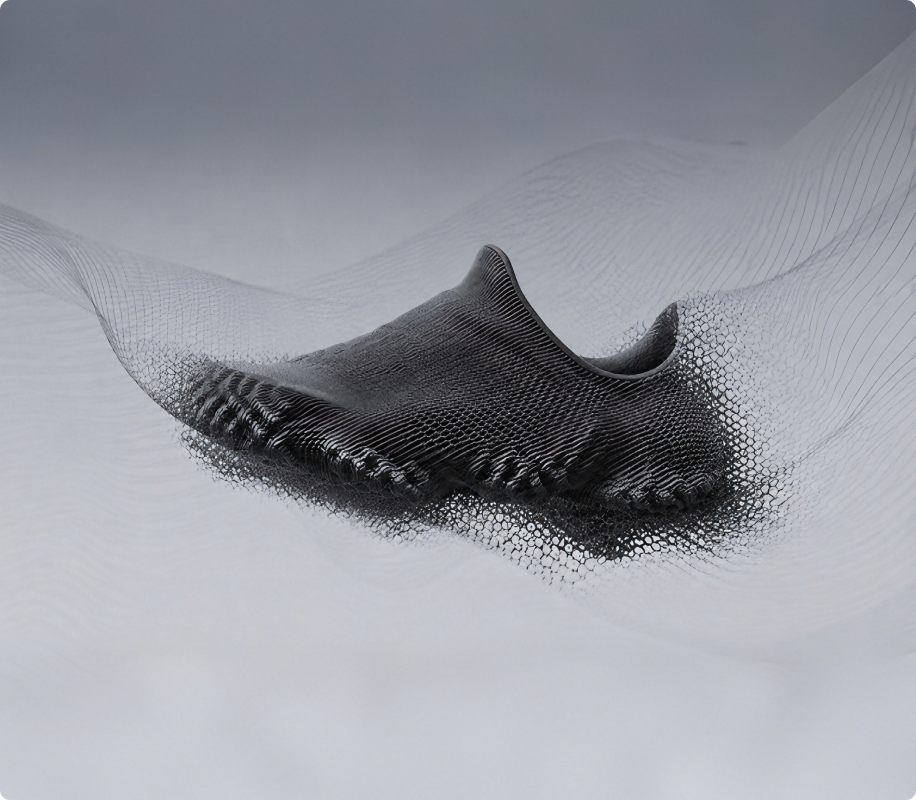
Traditional foam midsoles compress uniformly. 3D printing allows for the creation of a "lattice structure"—a complex web of tiny springs inside your shoe.
· Variable Density: This lattice can be programmed to be denser (firmer) under your arch and heel for stability, and softer in the forefoot for cushioning.
· Targeted Support: For runners who overpronate, support can be engineered precisely where the foot collapses, rather than adding a bulky, generic medial post.
The FIZO Approach: It Starts with Your Data
At FIZO, we use 3D printing not just for a component, but for the entire TuneCore™ midsole. Here's how it works for true personalized support:
- You Share Your Blueprint: Through a digital foot scan (we partner with Volumental), we get the exact dimensions of each foot, your weight, and gait data.
- Software Translates Biology to Structure: Our system generates a midsole model where the lattice is calibrated to your body's needs.
- The Printer Builds Your Foundation: The midsole is printed layer-by-layer, creating a single, seamless piece of support that's yours alone.
This means the shoe for a 100kg runner with a neutral gait is structurally different from the shoe for a 65kg runner who overpronates.
The Future is On-Demand
This tech is moving fast.
From Nike's latest patents to Adidas's fully printed Climacool, it's clear that custom, on-demand manufacturing is the next frontier.
Let's Discuss:
· How much would personalized biomechanical support be worth to you?
· What's the biggest hurdle keeping this tech from going mainstream in your opinion?

